The Technological Evolution of Reach-In Closets: From Passive Storage to Intelligent Spatial Systems
Abstract
Traditionally perceived as utilitarian storage zones, reach-in closets are undergoing a profound transformation driven by advances in material science, automation, digital design tools, and smart-home ecosystems. This article examines how contemporary technologies redefine the reach-in closet as an intelligent, adaptive, and design-forward spatial system. By integrating smart storage mechanics, advanced lighting, modular architecture, and digital organization platforms, reach-in closets now function as optimized micro-environments that enhance usability, sustainability, and aesthetic coherence within the modern home.
Introduction: Reframing the Reach-In Closet
For decades, reach-in closets have been architecturally conservative—fixed shelves, static rods, and limited adaptability. However, as residential design increasingly prioritizes efficiency, personalization, and technological integration, the reach-in closet has emerged as a prime candidate for innovation. No longer passive containers for garments, modern reach-in closets operate as dynamic storage systems engineered for ergonomic access, spatial optimization, and lifestyle adaptability.
Smart Storage Engineering
Automated Garment Access
Motorized and rotational clothing systems eliminate the inefficiencies of static hanging rods. Through mechanized circulation, garments are presented on demand, reducing retrieval time and minimizing physical disruption. These systems introduce principles borrowed from industrial automation into domestic design, optimizing accessibility within confined footprints.
Tool-Free Adjustable Shelving
Contemporary shelving systems employ rail-based or pinless adjustment mechanisms, allowing reconfiguration without tools. This adaptability supports evolving storage needs—seasonal wardrobe shifts, lifestyle changes, or collection growth—while maintaining structural integrity and visual order.
Advanced Lighting Systems
Motion-Activated LED Illumination
Integrated LED strip lighting with motion sensors enhances visibility while conserving energy. These systems activate contextually, reinforcing both sustainability goals and user convenience, and eliminating reliance on external lighting sources.
Intelligent Lighting Integration
By connecting closet lighting to broader smart-home platforms, users gain centralized or voice-activated control. This convergence of lighting design and automation elevates the reach-in closet from an isolated space to an integrated component of the residential ecosystem.
Spatial Optimization Strategies
Pull-Out and Retractable Storage
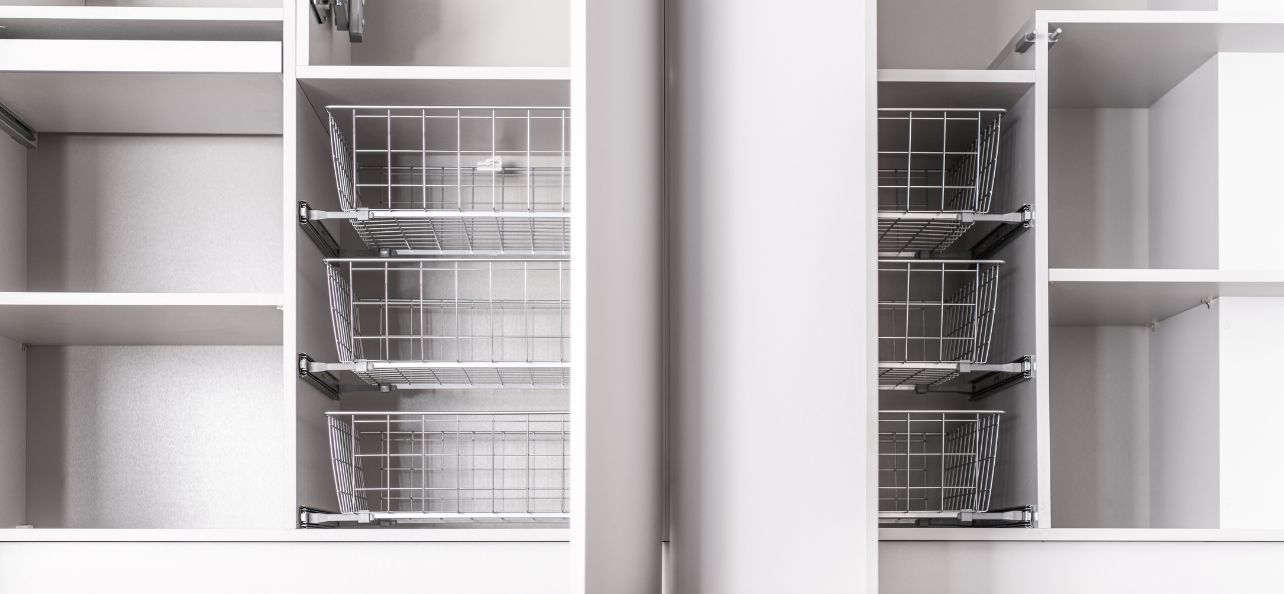
Engineered pull-out systems for shoes, belts, ties, and accessories convert vertical and hidden zones into high-efficiency storage planes. These mechanisms apply principles of spatial compression, maximizing capacity without increasing physical volume.
Space-Efficient Door Architectures
Sliding and bi-fold door systems reduce clearance requirements and improve circulation in adjacent rooms. From an architectural standpoint, these door solutions optimize spatial flow while enabling uninterrupted access to the entire closet interior.
Material Science and Hygienic Design
Sustainable Structural Materials
The use of rapidly renewable materials such as bamboo, along with recycled composite panels, aligns reach-in closet construction with environmental responsibility. These materials offer durability, dimensional stability, and reduced ecological impact.
Antimicrobial Surface Technologies
Advanced surface coatings inhibit microbial growth, contributing to improved garment preservation and hygienic storage conditions. This application of material science reflects growing awareness of indoor environmental quality within residential design.
Modular and Customizable Systems
Modular Closet Architecture
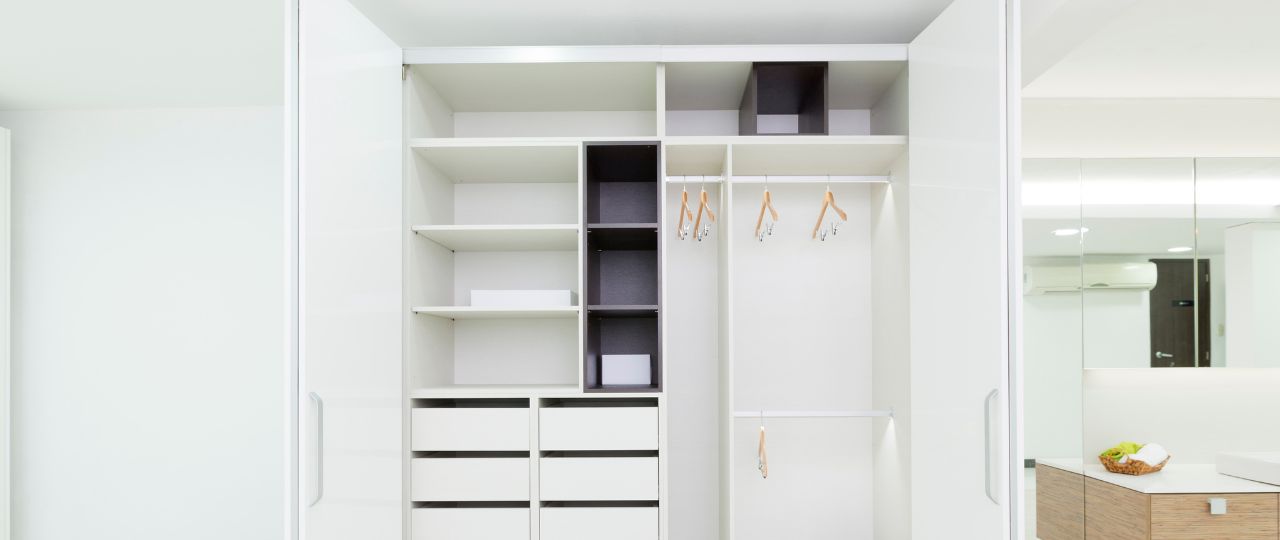
Modular systems allow designers and homeowners to assemble bespoke configurations using standardized components—drawers, shelves, rods, and compartments—creating a highly personalized yet scalable storage solution.
Interchangeable Aesthetic Panels
Interchangeable finishes enable aesthetic evolution without structural modification. This design flexibility supports long-term relevance, allowing closets to adapt visually as interior styles change.
Digital Organization and Design Intelligence
Wardrobe Inventory Platforms
Smart closet applications enable users to catalog garments, plan outfits, and analyze wardrobe usage patterns. These platforms transform clothing management into a data-driven process, reducing redundancy and improving decision-making.
Augmented Reality Design Tools
AR-based visualization tools allow users to simulate layouts prior to installation, reducing design errors and enhancing client confidence. This digital prototyping mirrors professional architectural workflows applied at a residential scale.
Smart-Home Integration and Environmental Control
Climate Regulation
Closet-specific temperature and humidity monitoring preserves fabric integrity and prolongs garment lifespan. Integration with home HVAC systems reflects a growing emphasis on micro-climate control within residential interiors.
Security Enhancements
Smart locks and discreet monitoring systems protect high-value items such as jewelry, handbags, or collectibles. These features introduce a security layer typically reserved for safes or vaults, now seamlessly embedded into closet design.
Installation Methodologies
Precision DIY Systems
Pre-engineered installation kits with modular components enable efficient self-installation while maintaining professional-grade results—ideal for users seeking flexibility and cost efficiency.
Professional Installation Services
Advanced installation services leverage laser-leveling, digital measurement, and precision tooling to deliver flawless execution. This approach ensures structural accuracy, visual alignment, and long-term durability.
Conclusion: The Future of Reach-In Closets
The modern reach-in closet is no longer defined by its limitations but by its intelligence. Through the convergence of automation, modular design, advanced materials, and digital systems, it has evolved into a refined, responsive, and high-performance interior environment. For homeowners seeking efficiency, designers pursuing innovation, and architects focused on spatial optimization, the technologically enhanced reach-in closet represents a compelling intersection of form, function, and future-ready living.